Confident Conversations Through Practical Role-Play Blueprints

Step into a guided practice space where we explore role-play blueprints for handling difficult workplace conversations, from performance feedback to boundary setting. You will find concrete scenarios, scripts, and facilitation moves that transform anxiety into clarity, empathy, and action. Try them with your team, adapt freely, then share what changed, what surprised you, and which conversation you will rehearse next.
Clarify Intent and Outcomes

State why the conversation matters now, who benefits, and what good looks like today. Decide whether you are practicing discovery, boundary setting, or commitment. Define a visible success marker, such as a single clear request repeated back accurately without defensiveness or confusion.
Co-Create Guardrails
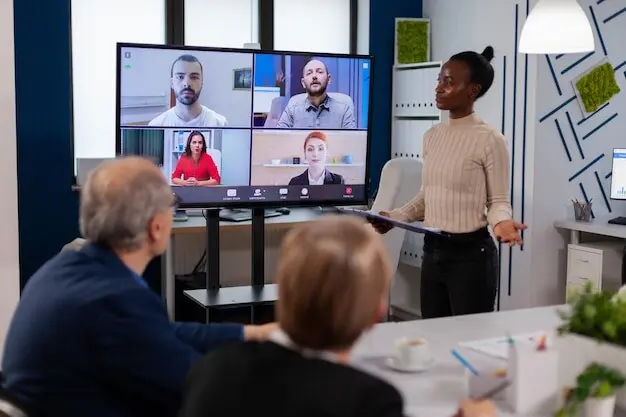
Invite participants to propose boundaries that support courage, including no surprise recordings, respectful language, and the right to pause. Co-author these as a checklist everyone can point to during heat. The shared authorship increases follow-through and reduces facilitator policing.
Warm Up With Empathy Drills

Begin with brief, playful rounds that exercise curiosity and presence. Try one-minute mirror listening, emotion labeling using neutral language, or values-spotting from a short story. Small wins loosen tension, build trust, and help people enter tougher scenarios without armor or performative scripts.
Design Scenarios That Mirror Real Pressure
Believability matters. Craft situations pulled from real deadlines, conflicting priorities, identity dynamics, or policy gray areas. Name stakes explicitly and compress time to simulate stress safely. Provide private role briefs with motives, constraints, and hidden concerns. Realistic friction reveals habits, biases, and silent assumptions worth unlearning.
Language Patterns That Lower Defensiveness
Words shape nervous systems. Swap accusations for observations, conclusions for curiosity, and abstractions for concrete requests. Use specific examples, time frames, and agreed next steps. Pair empathy with clarity so dignity remains intact while accountability rises. Scripts are scaffolds, not cages; adapt them to your voice.

Facilitating Sessions People Choose to Attend
Great facilitation balances safety, stretch, and story. Set crisp goals, calibrate difficulty, and coach delivery, not personality. Rotate roles so everyone experiences multiple perspectives, including bystander courage. Use visible timers, simple scorecards, and energizing debriefs. Celebrate experiments, not perfection, and invite lighthearted joy alongside serious growth.
Invite participants to switch between giver, receiver, and observer. Experiencing each seat exposes blind spots and builds patience. A former skeptic often becomes a champion after feeling how hard listening is under pressure, and how affirming it feels to be truly heard.
Protect energy by chunking practice into short rounds with purposeful resets. Use a bell to mark transitions, a breath to release tension, and a quick What worked, what next to harvest learning. The rhythm keeps attention high and nerves manageable across repetitions.
Debriefs That Convert Insight Into Action
Without a structured debrief, practice dissolves into vague impressions. Close each round by naming feelings, extracting evidence, and deciding one small next move. Use compassionate specificity, separate intent from impact, and invite peer acknowledgment. Actionable takeaways compound, turning occasional exercises into reliable, transferable habits across teams.
Lightweight Metrics That Matter
Choose measures people respect: self-rated readiness before and after, peer observations of specific behaviors, cycle time to resolve conflicts, and retention of at-risk talent. Visualize trends, not vanity numbers. Share results transparently and ask, What will we try next, given this evidence and our constraints.
Create a Reusable Scenario Library
Curate anonymized situations labeled by skill focus, difficulty, and approximate timing. Include role briefs, prompts, likely traps, and debrief questions. Store everything where people already work. A living library lowers startup friction and lets teams practice briefly yet often, even without a formal workshop.

All Rights Reserved.